
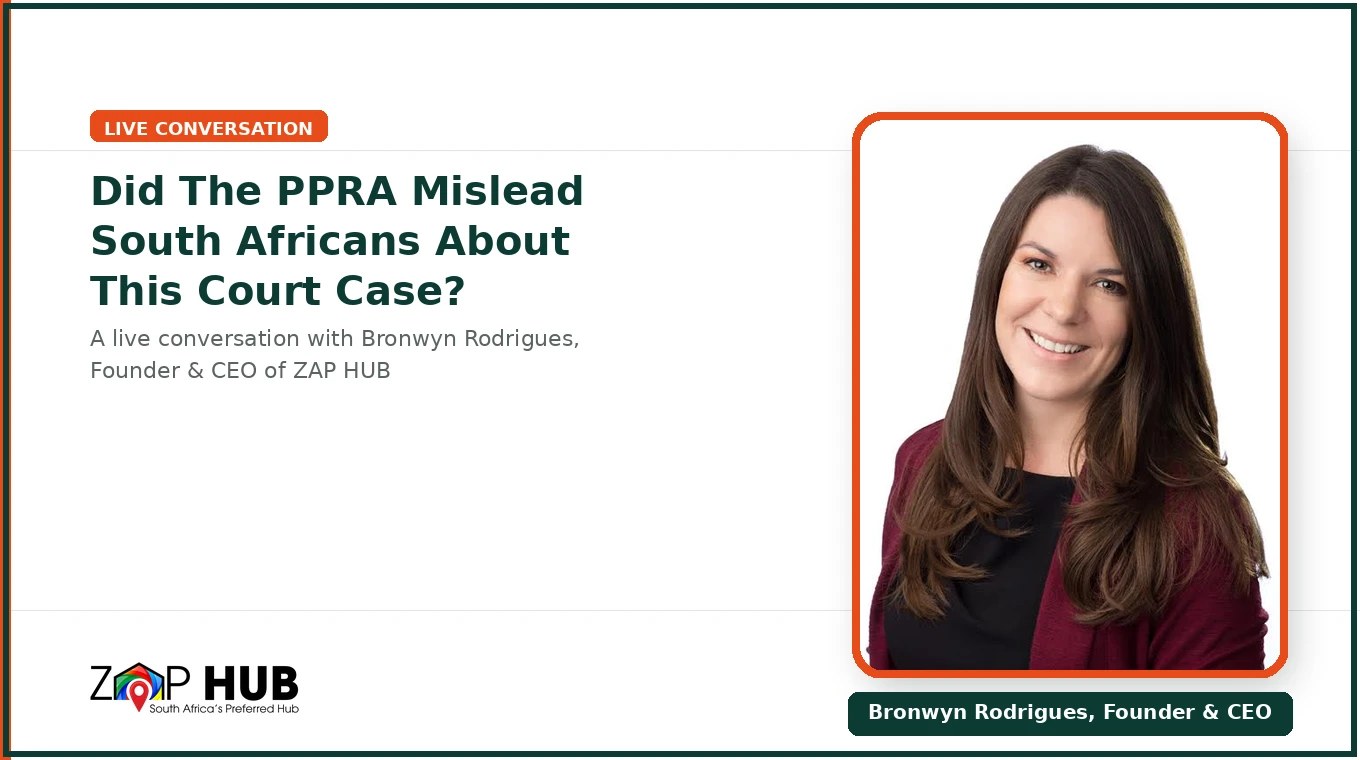
The fight between Zap Hub founder Bronwyn Rodrigues and the Property Practitioners Regulatory Authority (PPRA) is back in the spotlight. In a new live conversation, "Did The PPRA Mislead South Africans About This Court Case?", Rodrigues sat down to discuss her ongoing High Court application against the regulator, why she believes the playing field in South Africa's property sector isn't level, and what she believes it means for practitioners, platforms, and everyday buyers and sellers.
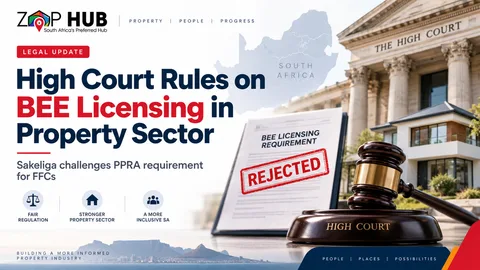
For anyone who hasn't followed the case from the start: Zap Hub filed an urgent application in the Gauteng Local Division in Johannesburg on 22 May 2026, naming the PPRA and the Minister of Human Settlements as respondents. Rodrigues, acting without legal representation, argues that the PPRA is enforcing the Property Practitioners Act selectively — holding platforms like Zap Hub to strict compliance while, she alleges, seven other platforms (including Airbnb, Booking.com, Property24, and Private Property) continue operating without registering or holding Fidelity Fund Certificates (FFCs).
Rodrigues's affidavit points to a PPRA response to a media query, which she says confirmed that Airbnb and Booking.com hold no FFCs, and that no advertising agency or platform is registered under the Property24 or Private Property names. She also cites a letter from the PPRA's Executive Manager for Investigations and Enforcement stating that the Act is not currently being applied to the short-term rental sector, and that the authority "cannot assist" with her complaint in the meantime. On the basis of this, Rodrigues is asking the court for a mandamus — compelling the PPRA to investigate the named platforms, respond to her complaints, and clear its FFC backlog within set deadlines — along with a declaratory order on the PPRA's statutory duties.
It's worth noting that this account of events comes from Zap Hub's own court papers and Rodrigues's public statements. Property24 and Private Property have publicly rejected the application's premise, saying they've obtained formal legal opinions confirming that advertising portals — which don't seek mandates or represent principals — fall outside the Act's definition of a property practitioner. Whether that's correct is, in effect, the legal question now before the courts.
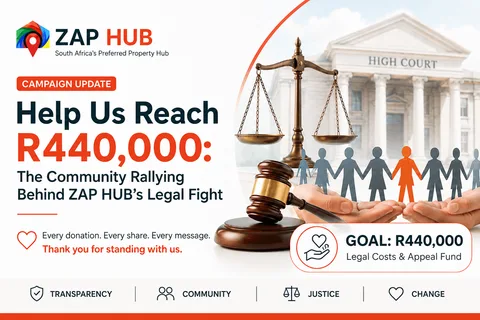
In the new livestream, Rodrigues goes further into why she believes the regulator's own public statements on the case don't tell the full story, and what she says practitioners and platforms should understand about how the PPRA is applying — or not applying — the law. Rather than restate specifics we can't independently confirm, we'd encourage you to hear her full account directly: the conversation is linked below, alongside her earlier interview on the Truth Report and the BackaBuddy campaign supporting her legal costs.
For property practitioners watching this play out, the throughline hasn't changed since the case was first filed: compliance costs time and money, and platforms and practitioners who do it properly want to know that the rules apply evenly. Zap Hub has said from the outset that this case isn't just about one company's competitive position — it's about whether the Property Practitioners Act is being enforced as written. We'll continue to follow the case and share updates as they're confirmed.
Watch: "Did The PPRA Mislead South Africans About This Court Case?" — https://www.youtube.com/live/OOQ5wsc-qZ4
Related interview: "This Could Change South Africa's Property Industry Forever" — https://www.youtube.com/live/tHfmSzJQX-E
Support the case: BackaBuddy — Help ZAP HUB Save South Africa's Property Industry
Learn more: zaphub.co.za













 (2)_2_11zon-1791003673916-thumb.webp)