
LEASING RESIDENTIAL PROPERTY IN SOUTH AFRICA
WHAT YOU SHOULD KNOW
ZAP HUB firmly believes that knowledge is power and the key to balancing our way through the many nuances and situations thrown at us in the operation of our daily lives.
Leasing a property in South Africa is primarily governed by the Rental Housing Act (RHA) and, in some cases, the Consumer Protection Act (CPA)
Key Rights and Protections
The law provides significant protections for tenants in residential leases.
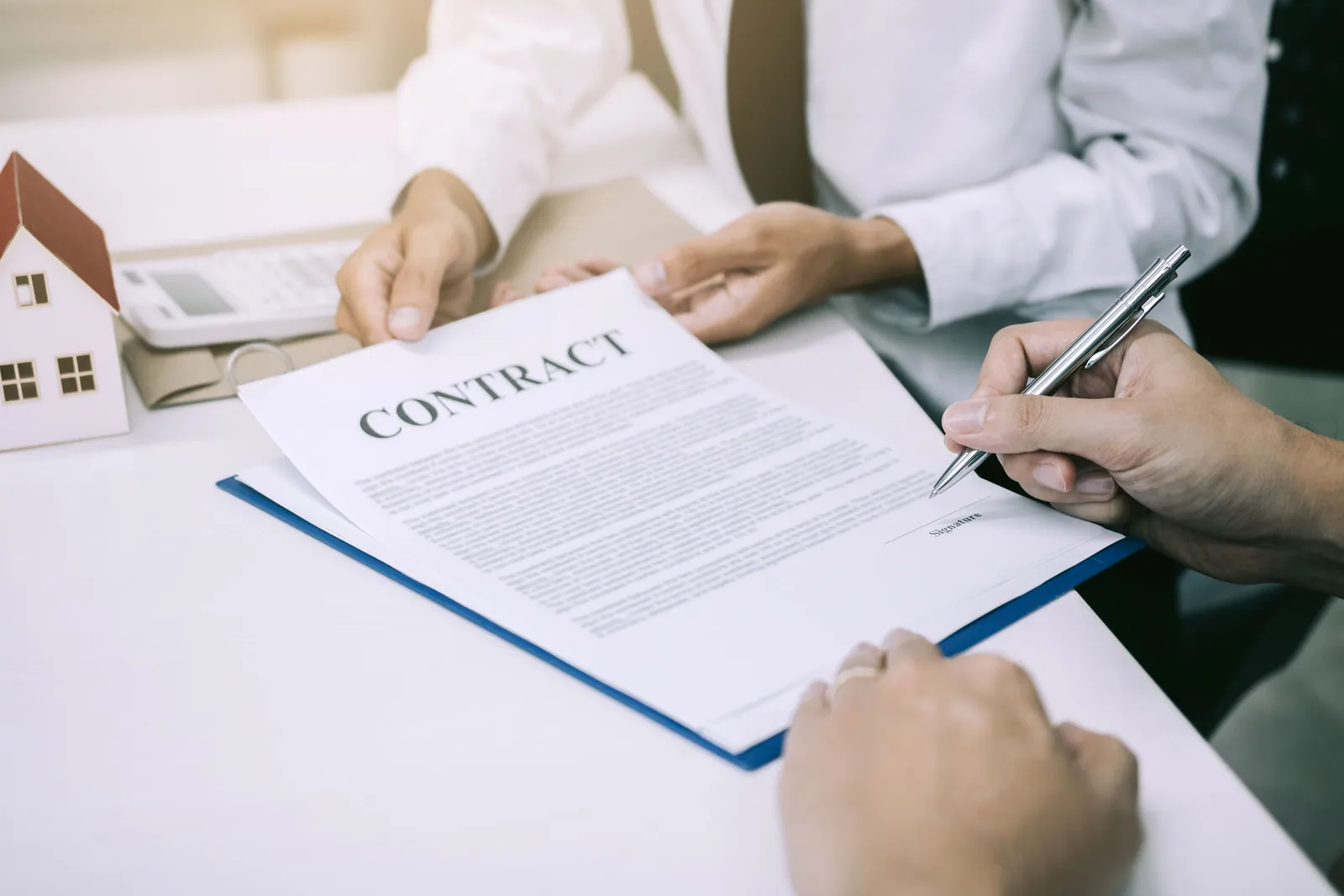
- Right to a Written Lease (If Requested): While a verbal lease can be binding, the Rental Housing Act (RHA) gives you the right to request a written lease agreement. We recommend that you always insist on a written agreement to clearly outline all terms, rights, and obligations.
- Right to a Habitable Dwelling: The landlord must ensure the property is safe, structurally sound, and fit for living. They are responsible for maintaining the property and handling major repairs (like the geyser, pipes, and structural issues).
- Right to Privacy: A landlord may only enter the property for inspections or repairs with reasonable notice and at a reasonable time, as set out in the lease. They cannot enter without your consent, except in an emergency.
- Protection Against Unlawful Eviction: You cannot be evicted without due legal process, which requires a court order. A landlord cannot legally change the locks or disconnect utilities to force you out.
The Security Deposit
This is a common source of disputes, so understanding your rights here is vital.
- Deposit Investment: The landlord must place your security deposit into an interest-bearing account for the duration of the lease. You are entitled to the interest accrued.
- Joint Inspections:
- Move-In: You have the right to conduct a joint inspection with the landlord/agent before you move in to record any existing defects. This protects you from being charged for pre-existing damage.
- Move-Out: A final joint inspection must also be done before or upon the expiry of the lease to assess for damages.
- Refund Timeline: The landlord can only deduct costs for damages beyond normal wear and tear or for outstanding amounts (like rent or utilities).
- They must provide receipts/invoices for all deductions.
- The remaining deposit (plus interest) must be refunded within a specific time, depending on the circumstances, usually:
- 7 days if no deductions are made.
- 14-21 days if deductions are made or if the tenant fails to attend the outgoing inspection.
Key Lease Agreement Clauses
Read your lease thoroughly and understand the following sections:
|
Clause |
|
What to Look For |
|
Rent & Payment |
|
The exact rent amount, due date, payment method, and penalties for late payment. |
|
Duration & Notice |
|
The start/end dates. If it's a fixed-term lease, understand the required notice period for termination and any early cancellation penalties (which must be reasonable under the Consumer Protection Act). |
|
Maintenance & Repairs |
|
What is the landlord's responsibility (structural, geyser) versus the tenant's responsibility (minor maintenance, changing lightbulbs, garden upkeep, reporting issues promptly)? |
|
Utilities |
|
Which utilities (water, electricity, refuse) are included in the rent and which you are responsible for paying separately. |
|
Use of Property |
|
Any restrictions, such as pet policies, limits on the number of occupants, or running a business from the property. |
Dispute Resolution
If a dispute arises that you and the landlord cannot resolve, you can approach the Rental Housing Tribunal (RHT) in your province.
- The RHT is an independent body established under the RHA to provide free, effective, and efficient services to resolve rental housing disputes through mediation and hearings.
- They handle "unfair practices" like illegal lockouts, failure to refund a deposit, harassment, and lack of maintenance/repairs.
To assist you, here are the contact details for the RHT in the various provinces of South Africa:
|
Province |
Contact Details |
|
Gauteng |
Phone: 011 630 5035 / 5036 (Provincial Office) |
|
Email: rentaltribunal@gauteng.gov.za |
|
|
Address: 4th Floor, Ikusasa House, 129 Fox Street, Johannesburg Central |
|
|
Western Cape |
Phone: 0860 106 166 (Contact Centre) or 021 483 5020 |
|
Email (General Enquiries): rht.enquiries@westerncape.gov.za |
|
|
Email (Disputes): rht.disputes@westerncape.gov.za |
|
|
Address: 27 Wale Street, Cape Town, 8001 |
|
|
KwaZulu-Natal |
Phone: 031 372 1800 (and extensions 1803/4/5) |
|
Email: info.rht@kzndhs.gov.za |
|
|
Address: 9th Floor, Eagle Building, 353-363 Dr. Pixley Ka Seme Street, Durban, 4001 |
|
|
Eastern Cape |
Phone: 086 000 0039 (Customer Care) or 043 711 9622 |
|
Email: info@ecdhs.gov.za |
|
|
Address: 31-33 Phillip Frame Road, Waverly Park, Chislehurst, East London |
|
|
Free State |
Phone: 051 405 4965 |
|
Email: fsrht@fshs.gov.za |
|
|
Address: Lebogang Building, Cnr Markgraaf & St Andrews Street, Bloemfontein |
|
|
Mpumalanga |
Phone: 013 757 0792 |
|
Email: rentaltribunal@mpg.gov.za |
|
|
Address: Riverside Government Complex, Building No 6 Boulevard, Nelspruit, 1200 |
|
|
Limpopo |
Phone: 015 284 5426 (or 015 284 5056) |
|
Email (Staff Contact): manganyehg@coghsta.limpopo.gov.za |
|
|
Address: 20 Rabe & Lanfros Mare Street, Polokwane |
|
|
Northern Cape |
Phone: 053 830 9455 |
|
Address: JS Du Plooy Building, 9 Cecil Sussman Road, Kimberley |
|
|
North West |
Phone: 018 388 5529 |
|
Email (Staff Contact): mseate@nwpg.gov.za |
|
|
Address: University Drive Building, 2nd floor, Mahikeng |
ZAP HUB has at its core the values of honesty, openness, and trust.
If you have a concern about a lease agreement you are about to enter, why not reach out to us, and we may be able to shed some light on your query before it’s too late.